Reading as a Wind-Down Practice
A physical book — rather than a screen — is something many people find useful for easing the mind before the end of the day. It requires no special setup and can be done in as little as ten minutes.
How small, intentional choices in the evening may contribute to a steadier sense of daily harmony — no complete overhaul required.
The environment you spend your evening in has a quiet influence on how you feel. A cluttered or busy space tends to keep your mind active; a tidier, softer environment can encourage a more restful pace.
You do not need to redecorate. Small adjustments — dimming the lights, tidying one surface, choosing a gentle playlist — can shift the feel of a room with very little effort.
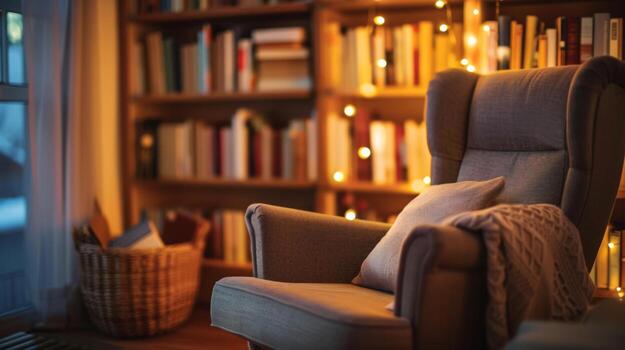
Balance in the evening is not about doing everything perfectly. It is about noticing what you actually need — rest, connection, a little quiet time — and making a small space for it.
Some evenings that might mean cooking a proper meal and eating without screens. Others it might mean going to bed earlier than planned, or simply sitting still for a few minutes without multitasking.
Change out of work clothes, make a warm drink, and sit somewhere different from your workspace before the rest of the evening begins.
Eating an evening meal away from screens — even occasionally — is something many New Zealanders find shifts the quality of the whole evening.
A 15-minute walk in the early evening is a simple way to move between day-mode and rest-mode, particularly in the longer NZ summer evenings.
Four loose phases to help structure a more balanced evening — adapt them freely to your own situation.
Mark the end of your working or busy time with a small deliberate act — changing clothes, making a drink, or stepping outside briefly.
Eat an evening meal away from screens where possible. Preparing simple food can itself be a grounding, satisfying part of the evening.
Allow an hour or so for gentle activity — reading, a short walk, a bath, conversation, light stretching, or creative work.
Spend ten minutes sorting out tomorrow — checking your schedule, laying out items, tidying surfaces — so you can more fully let go.
The last part of the evening can be some of the most worthwhile time of the day to use well.
A physical book — rather than a screen — is something many people find useful for easing the mind before the end of the day. It requires no special setup and can be done in as little as ten minutes.
A few minutes of easy stretching or light movement at the end of the day is something many people include in their evening routine. There are many approaches — find what feels comfortable for you.
Writing down the thoughts, plans, or concerns that are circling in your mind can help externalise them — freeing you from carrying them mentally into the night.
Disclaimer
All materials and practices presented are for educational and informational purposes only and are intended to support general well-being. They do not constitute medical diagnosis, treatment, or advice. Before applying any practice, especially if you have chronic conditions, consult a qualified healthcare professional.